 ¥2,000
About Neko Jigoku
Neko Jigoku represents an entirely unconventional animal facility concept—a tattoo studio's integrated cat space rather than a dedicated cafe or rescue operation. Located on the second floor of a mixed-use building in Kitanagoya combining the tattoo studio KTS and ground-floor apparel shop Black Marks, the facility functions as an informal "cat park" where tattoo studio visitors and casual cat enthusiasts share space with approximately 30 resident cats. The irregular operating schedule reflects tattoo studio clientele rather than cafe visitor patterns, with current days announced exclusively through Instagram stories, creating a deliberately informal, access-by-chance aesthetic rather than reliable scheduling.
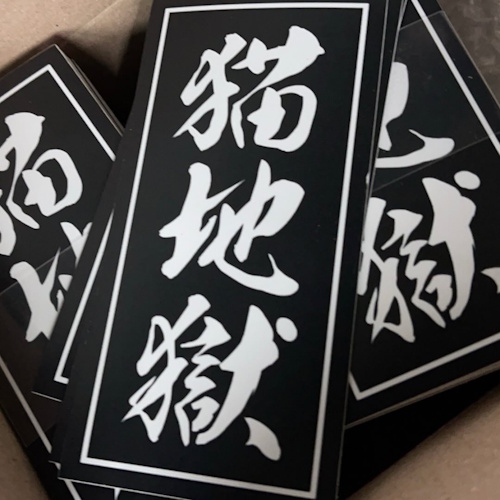
The facility's integration with a functioning tattoo studio creates genuinely distinctive visitor dynamics: cat park patrons encounter active tattoo clients entering and exiting, creating unusual cross-cultural moments where serious body art recipients interact with casual cat visitors. This unconventional positioning appears intentional—the operation explicitly acknowledges the dual-use reality with welcoming rather than apologetic stance. The cat population itself appears well-socialized and affectionate, with reviews emphasizing "many cute cats" and people-focused behavior despite the informal space. The facility distinguishes itself through merchandise including original cat-themed t-shirts (¥5,000) featuring "cat skull" designs and "Neko Jigoku thousand shrine amulet" patterns, merchandise catering to alternative aesthetic communities rather than mainstream cat lovers. Free sticker giveaways to visitors suggest a model emphasizing community engagement and word-of-mouth propagation rather than high-volume commercialization.
The space's genuine originality emerges from its unabashed positioning as secondary function within a professional tattoo and apparel operation, resisting categorization as entertainment facility or tourist attraction. Instead, the arrangement normalizes cats as community members integrated into working artist spaces, creating an aesthetic and cultural counter-positioning against conventional Japan cat cafe sentimentality. Visitors encounter authentic urban alternative culture environment—industrial building aesthetics, tattoo studio operations, apparel retail, and cat companionship existing without sanitization or theming. This approach attracts visitors deliberately seeking non-mainstream experiences and suggests a philosophy prioritizing genuine community space over commercialized "cat experiences." The casual, unmanaged quality—operating hours announced casually, no formal rules website, minimal social media presence—indicates a space for enthusiasts willing to engage with unconventional access patterns rather than seeking guaranteed availability.
The facility's integration with a functioning tattoo studio creates genuinely distinctive visitor dynamics: cat park patrons encounter active tattoo clients entering and exiting, creating unusual cross-cultural moments where serious body art recipients interact with casual cat visitors. This unconventional positioning appears intentional—the operation explicitly acknowledges the dual-use reality with welcoming rather than apologetic stance. The cat population itself appears well-socialized and affectionate, with reviews emphasizing "many cute cats" and people-focused behavior despite the informal space. The facility distinguishes itself through merchandise including original cat-themed t-shirts (¥5,000) featuring "cat skull" designs and "Neko Jigoku thousand shrine amulet" patterns, merchandise catering to alternative aesthetic communities rather than mainstream cat lovers. Free sticker giveaways to visitors suggest a model emphasizing community engagement and word-of-mouth propagation rather than high-volume commercialization.
The space's genuine originality emerges from its unabashed positioning as secondary function within a professional tattoo and apparel operation, resisting categorization as entertainment facility or tourist attraction. Instead, the arrangement normalizes cats as community members integrated into working artist spaces, creating an aesthetic and cultural counter-positioning against conventional Japan cat cafe sentimentality. Visitors encounter authentic urban alternative culture environment—industrial building aesthetics, tattoo studio operations, apparel retail, and cat companionship existing without sanitization or theming. This approach attracts visitors deliberately seeking non-mainstream experiences and suggests a philosophy prioritizing genuine community space over commercialized "cat experiences." The casual, unmanaged quality—operating hours announced casually, no formal rules website, minimal social media presence—indicates a space for enthusiasts willing to engage with unconventional access patterns rather than seeking guaranteed availability.





 4.2 km