 ¥1,320
 557
557
About Hidamari-Go
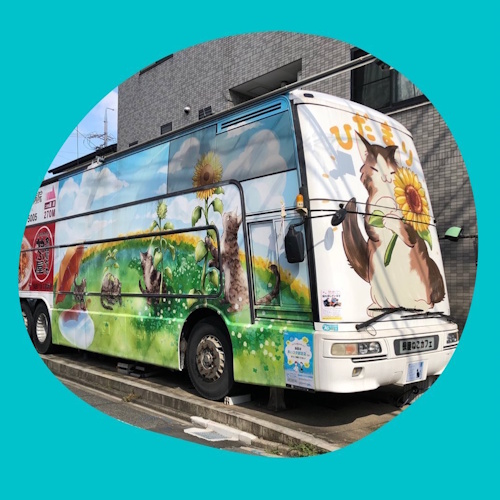
Rescue Cat Cafe Hidamari-Go operates from an unconventional setting that immediately distinguishes it from typical cafe operations: a two-story converted bus permanently stationed in Nagoya's Nishi Ward. The facility's distinctive architecture intentionally creates a memorable, non-institutional environment where rescue cats and visitors interact in genuinely intimate surroundings. The organization emerged from genuine animal welfare conviction—the owner personally hand-raises kittens from birth using bottle-feeding, creating remarkable behavioral outcomes where even newly rescued animals display sociability and comfort with human contact. The cafe functions as the operational hub for a comprehensive rescue ecosystem including a dedicated shelter facility housed in the owner's third-floor residence, equipped with specialized medical equipment and a high-pressure oxygen chamber enabling intensive treatment of acutely ill animals separated from the cafe's healthy population.
The operational philosophy prioritizes welfare-first ideology throughout: the cafe maintains regular hours (11:30 a.m. to 8 p.m. weekdays, 7 p.m. weekends) with variable closures requiring confirmation, accepts walk-in visitors alongside reservation capacity, and deliberately rotates animal populations as adoptions succeed and new rescues arrive. The rescue pipeline reflects genuine community engagement: animals arrive from health department shelters facing euthanasia, maternal feral colonies, and emergency interventions. The organization maintains explicit adoption conditions including veterinary partnership commitments, lifetime care guarantees, and living-situation verification. Volunteers support operations extensively, reflecting the organization's non-profit orientation prioritizing rescue capacity over profit maximization. Visitor testimonials emphasize remarkable cat affection levels—multiple reviews describe spontaneous lap-sitting, aggressive affection-seeking behavior, and animals visibly comfortable with human contact despite recent rescue origins.
The facility accepts ongoing financial support reflecting genuine operational costs, with transparent banking information provided for those wishing to sponsor specific rescue initiatives. The owner's personal bottle-feeding commitment produces visible results: cats display behavioral maturity and emotional security remarkable for rescue animals typically experiencing early life trauma. The two-story bus architecture creates spatial intimacy—visitors encounter cats in genuine family-living environments rather than commercial showcase settings. Recent visitors consistently note cat happiness and comfort levels exceeding other rescue facilities, attributing this to individualized care evident in grooming quality, behavioral confidence, and staff dedication. The organization explicitly rejects the commercialization model common to many rescue cafes, instead emphasizing that visitor fees directly support medical interventions, nutrition, and placement support for individual animals.
The operational philosophy prioritizes welfare-first ideology throughout: the cafe maintains regular hours (11:30 a.m. to 8 p.m. weekdays, 7 p.m. weekends) with variable closures requiring confirmation, accepts walk-in visitors alongside reservation capacity, and deliberately rotates animal populations as adoptions succeed and new rescues arrive. The rescue pipeline reflects genuine community engagement: animals arrive from health department shelters facing euthanasia, maternal feral colonies, and emergency interventions. The organization maintains explicit adoption conditions including veterinary partnership commitments, lifetime care guarantees, and living-situation verification. Volunteers support operations extensively, reflecting the organization's non-profit orientation prioritizing rescue capacity over profit maximization. Visitor testimonials emphasize remarkable cat affection levels—multiple reviews describe spontaneous lap-sitting, aggressive affection-seeking behavior, and animals visibly comfortable with human contact despite recent rescue origins.
The facility accepts ongoing financial support reflecting genuine operational costs, with transparent banking information provided for those wishing to sponsor specific rescue initiatives. The owner's personal bottle-feeding commitment produces visible results: cats display behavioral maturity and emotional security remarkable for rescue animals typically experiencing early life trauma. The two-story bus architecture creates spatial intimacy—visitors encounter cats in genuine family-living environments rather than commercial showcase settings. Recent visitors consistently note cat happiness and comfort levels exceeding other rescue facilities, attributing this to individualized care evident in grooming quality, behavioral confidence, and staff dedication. The organization explicitly rejects the commercialization model common to many rescue cafes, instead emphasizing that visitor fees directly support medical interventions, nutrition, and placement support for individual animals.

 Rescue Cats
 Alcohol
Established on 08/01/2018





 1.4 km