 ¥1,320
About Cafe Nyanko Plus
Cafe Nyanko Plus in Sasebo, Nagasaki represents a distinctive approach to the cat cafe model—one rooted in genuine rescue and adoption work rather than entertainment alone. Operated in partnership with Hamaguchi Animal Hospital, the facility was established with a specific mission following the staggering number of cats brought to Sasebo's animal welfare center. In a single year, over 900 cats arrived at the facility, with most facing euthanasia. The cafe opened in September 2016 as a response to this crisis, offering rescued cats a chance at life while creating a space for the public to discover adoptable animals through casual interaction rather than formal shelter visits.
The philosophy at Nyanko Plus prioritizes cat welfare above all else—a principle evident in every operational detail. The facility maintains completely separate spaces for cats and the cafe, adhering to public health standards while protecting feline comfort. Visitors enter the cat room in socks only, and the facility is transparent about its rules: visitors must respect sleeping cats, sit still for cats seeking lap space, and refrain from using toys or treats to create artificial play situations. The one-hour interaction period typically costs around 1,300 yen and includes one beverage from the cafe, where homemade desserts like hot cakes and cheesecake extend the experience beyond typical animal cafe offerings.
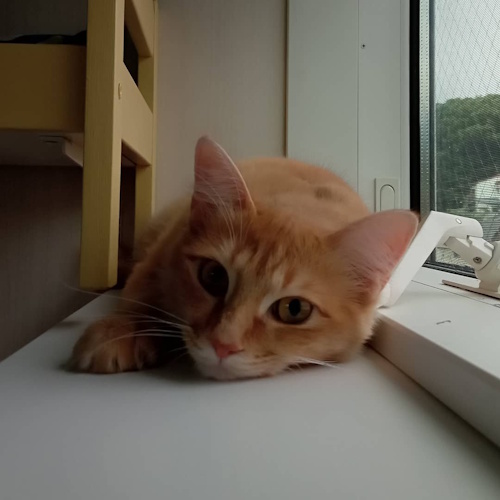
The cats themselves represent the heart of the mission—these are animals that would have been euthanized without intervention, now living full lives in a secure environment. Many serve as permanent staff cats, while others arrive periodically awaiting new families. All adopted cats receive virus testing, vaccinations, and microchip implantation, with costs absorbed by adopting families. Visitors note the profound emotional impact of meeting these resilient animals and frequently express commitment to supporting the facility's rescue work through their visits. The experience leaves guests deeply moved by witnessing both the dedication of the staff and the transformation possible when rescue becomes more than a concept—it becomes daily reality.
The philosophy at Nyanko Plus prioritizes cat welfare above all else—a principle evident in every operational detail. The facility maintains completely separate spaces for cats and the cafe, adhering to public health standards while protecting feline comfort. Visitors enter the cat room in socks only, and the facility is transparent about its rules: visitors must respect sleeping cats, sit still for cats seeking lap space, and refrain from using toys or treats to create artificial play situations. The one-hour interaction period typically costs around 1,300 yen and includes one beverage from the cafe, where homemade desserts like hot cakes and cheesecake extend the experience beyond typical animal cafe offerings.
The cats themselves represent the heart of the mission—these are animals that would have been euthanized without intervention, now living full lives in a secure environment. Many serve as permanent staff cats, while others arrive periodically awaiting new families. All adopted cats receive virus testing, vaccinations, and microchip implantation, with costs absorbed by adopting families. Visitors note the profound emotional impact of meeting these resilient animals and frequently express commitment to supporting the facility's rescue work through their visits. The experience leaves guests deeply moved by witnessing both the dedication of the staff and the transformation possible when rescue becomes more than a concept—it becomes daily reality.

 Rescue Cats




 0.3 km